



CBD Laws in 2025: A State-by-State Guide to Legality
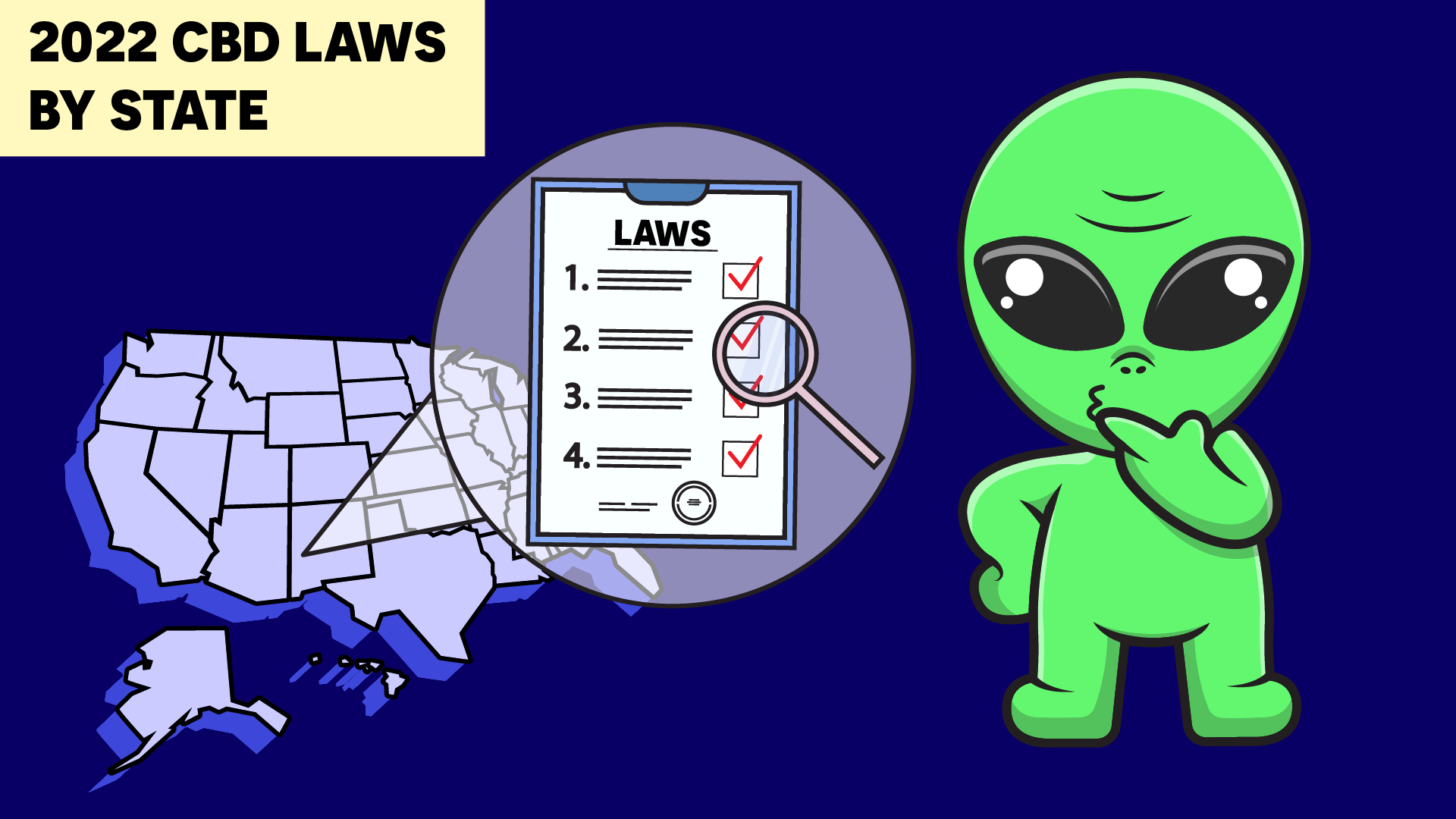
CBD has become a household name, widely praised for its potential health benefits. But when it comes to its legality, things can get a little confusing. While hemp-derived CBD is federally legal, each state has its own rules and regulations.
So, where does your state stand in 2025? Keep reading to get the latest updates on CBD laws across the U.S.
What is CBD?
CBD, short for cannabidiol, is a naturally occurring compound found in the cannabis plant. It’s one of over 113 cannabinoids and has gained popularity for its potential therapeutic effects. Unlike THC (tetrahydrocannabinol), CBD won’t get you high, making it a go-to option for those looking to experience the benefits of cannabis without the psychoactive effects.
CBD is widely available in various forms, including:
- Oils and tinctures – A few drops under the tongue for quick absorption.
- Edibles – Gummies, chocolates, and even infused beverages.
- Topicals – Creams and balms for localized pain relief.
- Vapes – Inhalation for fast-acting effects.
- Capsules – A convenient way to add CBD to your daily routine.
Thanks to the 2018 Farm Bill, hemp-derived CBD (with less than 0.3% THC) is federally legal. But state laws? That’s a different story.
The Benefits of CBD
CBD has been widely used for its potential wellness benefits. While more research is needed, users and early studies suggest it may help with:
✅ Pain relief – Many people turn to CBD for chronic pain, arthritis, and muscle soreness.
✅ Anxiety and stress management – Some users report feeling more relaxed and less anxious after using CBD.
✅ Better sleep – CBD may help regulate sleep cycles and improve rest quality.
✅ Migraine relief – Some research suggests CBD could reduce the frequency and intensity of migraines.
✅ Anti-inflammatory effects – Useful for conditions like acne, eczema, and joint inflammation.
✅ Potential support for neurological conditions – Studies are exploring CBD’s role in epilepsy, Parkinson’s disease, and PTSD. (Harvard Medical School)
While research is still ongoing, many people swear by CBD for improving their overall well-being.
CBD vs. THC: What’s the Difference?
CBD and THC come from the same plant, but their effects are very different.
- CBD (cannabidiol) – Non-psychoactive, meaning it won’t get you high. Used for relaxation, pain relief, and wellness.
- THC (tetrahydrocannabinol) – The compound responsible for the “high” associated with marijuana. Offers similar health benefits but with psychoactive effects.
If you want the benefits of cannabis without the mind-altering experience, CBD is your best bet.
CBD Laws by State (Updated for 2025)
Even though hemp-derived CBD is federally legal, each state has its own take on how it can be used. Some states allow all forms of CBD, while others place restrictions on its source and use.
Here’s a state-by-state breakdown of CBD laws in 2025:
| State | Hemp-Derived CBD (≤0.3% THC) | Medical Marijuana-Derived CBD | Recreational Marijuana-Derived CBD |
|---|---|---|---|
| Alabama | Legal | Legal with Medical License | Illegal |
| Alaska | Legal | Legal | Legal |
| Arizona | Legal | Legal | Legal |
| Arkansas | Legal | Legal with Medical License | Illegal |
| California | Legal | Legal | Legal |
| Colorado | Legal | Legal | Legal |
| Connecticut | Legal | Legal | Legal |
| Delaware | Legal | Legal with Medical License | Legal |
| Florida | Legal | Legal with Medical License | Illegal |
| Georgia | Legal | Legal with Medical License | Illegal |
| Idaho | Legal (0% THC only) | Illegal | Illegal |
| Illinois | Legal | Legal | Legal |
| Indiana | Legal | Illegal | Illegal |
| Iowa | Legal | Legal with Medical License | Illegal |
| Kansas | Legal (0% THC only) | Legal with Medical License | Illegal |
| Kentucky | Legal | Legal (Effective Jan 1, 2025) | Illegal |
| Maine | Legal | Legal | Legal |
| Maryland | Legal | Legal | Legal |
| Massachusetts | Legal | Legal | Legal |
| Michigan | Legal | Legal | Legal |
| Minnesota | Legal | Legal | Legal |
| Nebraska | Legal | Illegal | Illegal |
| Nevada | Legal | Legal | Legal |
| New Jersey | Legal | Legal | Legal |
| New York | Legal | Legal | Legal |
| South Dakota | Legal | Legal | Legal |
| Texas | Legal | Legal with Medical License | Illegal |
This table includes only a selection of states. For a full list, refer to official state resources or NORML.
Why Is CBD Still Illegal in Some States?
Despite federal legalization, some states still restrict CBD due to concerns over THC content, lack of regulation, and differing local cannabis policies. Idaho, for example, only allows CBD with 0% THC, while Nebraska still considers it illegal.
With ongoing legislative changes, some of these states may update their laws in the near future.
Elyxr’s Premium CBD Products
Looking for high-quality CBD you can trust? Elyxr has you covered. Our CBD tinctures, edibles, and topicals are made with USA-grown hemp, third-party lab-tested, and produced in an FDA-registered facility to ensure quality and safety.
Some of our best-selling products include:
- CBD Flower – Perfect for relaxation and stress relief.
- CBD Tincture – A fast-acting way to add CBD to your daily routine.
- CBD Pain Relief Gel – Ideal for soothing sore muscles and joints.
We’re all about transparency and quality, so every product comes with a detailed Certificate of Analysis (COA) to show exactly what’s inside.
👉 Shop Elyxr’s CBD Collection Now 👈
Final Thoughts
CBD laws are constantly evolving, so it’s always best to stay informed about your state’s regulations. While hemp-derived CBD is widely available, marijuana-derived CBD is still subject to stricter laws. If you’re unsure about CBD legality in your area, always check with your state’s official website.
Want to experience the benefits of high-quality CBD? Try Elyxr’s premium CBD products today!